When mold invades more than just your walls—when it settles silently into your body—it can feel like your immune system is fighting a battle with an invisible enemy. For those navigating the complex world of mold detox, Diatomaceous Earth (DE) offers a compelling natural ally. Made from fossilized remains of diatoms, this fine, powdery substance has an uncanny ability to bind and carry away unwanted intruders, including mycotoxins—the toxic byproducts of mold.
But DE isn’t just dust in the wind. Its microscopic structure acts like a sponge for environmental toxins, giving your body a gentler, eco-conscious way to clear out the debris left behind by mold exposure. Whether you're starting a detox protocol or seeking to deepen your healing journey, understanding how DE works can illuminate a new path toward resilience, clarity, and cellular recovery.
So, What are Diatoms Anyway?
Diatoms are nature’s microscopic architects—single-celled algae that live mostly in water and build their homes out of silica, the same material found in quartz and glass. Imagine tiny organisms that construct intricate shells, each one more detailed than a snowflake, yet invisible to the naked eye. These shells are called frustules, and they come in shapes that resemble ornate jewelry or geometric puzzles, depending on the species.
They play a vital role in Earth’s ecosystems:
Oxygen Makers: Diatoms are responsible for producing a massive portion of the oxygen we breathe—some estimates say up to 20–40% globally.
Water Purifiers: As part of aquatic food chains, they help clean water and nourish other marine life.
Earth’s Natural Filter: When they die, their silica shells settle into sediment layers, forming Diatomaceous Earth—a fine, fossilized powder used in detox protocols, pest control, filtration, and even eco-friendly polishes.
Think of diatoms as tiny time capsules. Over millennia, their remains have created rich deposits that we now use to help cleanse our bodies and homes from toxins, including mold-related compounds.
How Diatomaceous Earth Supports Mold Detox: A Unique Perspective for Mold Survivors
Diatomaceous Earth (DE) isn’t a flashy compound—it’s a whisper from Earth’s ancient waters. Composed of fossilized diatoms, this fine, siliceous powder has a porous structure that makes it highly absorbent, almost sponge-like at the microscopic level. When ingested in food-grade form, it travels through the digestive tract with a quiet, gritty persistence.
Here’s how DE lends itself to the mold detox journey:
Physical Binding of Toxins: DE’s porous particles can latch onto mold metabolites like mycotoxins in the gut. These compounds, often recirculated via bile, may be swept up and escorted out of the body before they can be reabsorbed.
Gentle Elimination Support: Acting as a natural bulking agent, DE helps support regular bowel movements—a critical piece of the detox puzzle. It’s not a laxative, but it does promote a smoother exit strategy for toxins.
Systemic Simplicity: Unlike chemical binders or synthetic agents, DE doesn’t interfere with enzymatic processes. This makes it a gentle option for sensitive individuals or those just starting their mold recovery protocol.
Gut Microbiome Preservation: Because DE doesn’t have antimicrobial properties in the same way herbs or drugs do, it’s less likely to disrupt the delicate balance of gut flora. That said, pairing it with probiotics may enhance resilience as the body re-establishes internal equilibrium.
A Mineral Boost: Its silica content isn’t just structural—it supports connective tissue health and may assist with repair after toxin-induced damage to the gut lining or skin.
Before you try to consume Diatomaceous Earth, you need to know there are several types of DE that ARE NOT safe for human consumption, so BEWARE!!
Choosing the Right Diatomaceous Earth for Detox: A Clean-Sourced Guide
Diatomaceous Earth (DE) might look like simple white powder, but its origins and composition tell a much deeper story. Before you scoop it into your smoothie or sprinkle it into a detox protocol, understanding the different forms is essential—not all DE is created equal, and some are absolutely not safe to ingest.
Types of Diatomaceous Earth: What’s What?
Type
Use Case
Safe for Ingestion
Notes
Food Grade
Detox, digestion, internal cleanse
Yes
Must meet FDA standards; typically >85% silica
Filter Grade (aka Pool Grade)
Industrial filtration, pool cleaning
No
Heated to high temps, alters silica structure
Feed Grade
Animal health supplement
In some cases
Used in livestock feed; may have additives
Pest Control Grade
Natural insect deterrent
Not recommended
Might contain surface treatments or carriers
What to Look for in Food-Grade DE
When choosing DE for human consumption, look for the following indicators:
Label Must Say “Food Grade”: If it doesn't say it, it's not safe. Period.
Purity Level: Ideally 85–95% amorphous silica (not crystalline). Amorphous silica is the form considered safe and effective for detox.
No Additives or Scents: It should be pure white to off-white with no chemical smell or coloring. Any perfumes, pesticides, or mixed powders are a red flag.
Source Transparency: Reputable brands should disclose where the DE was mined and how it's processed. U.S. sources like Nevada and Oregon are common for high-purity food-grade DE.
Packaging: Look for airtight, BPA-free containers. DE is hygroscopic—it absorbs moisture—so proper packaging protects its integrity.
Forms to Avoid If You’re Ingesting DE
Pool Grade/Filter Grade: This has been calcined, a process that superheats it into crystalline silica—a substance dangerous when inhaled or ingested. Commonly used in pool filtration systems, and completely off-limits for detox purposes.
Industrial-Use DE: Often treated with chemicals for pest control, polishing, or filtration. These treatments render it unsafe for your gut and could cause respiratory or organ damage if consumed.
Pro Tip: Verifying Authenticity
If you’re uncertain about a product:
Request a Certificate of Analysis (COA) from the supplier showing silica content and heavy metal testing.
Confirm it’s registered as food-grade with the FDA or equivalent authority in your country.
Avoid sellers making extravagant detox claims without scientific backing.
Diatomaceous Earth, when used wisely, can be an incredible ally for those navigating mold-related health recovery. It’s subtle but powerful—like cleansing your body with the quiet force of ancient ocean whispers.
Where you can BUY Diatomaceous Earth (DE)?
As always, the key to using DE wisely is respecting its slow, unassuming power. It's not a quick fix—but in the daily rhythm of healing, it becomes a steady partner, helping clear internal clutter so deeper regeneration can begin.
Posted by: Jennifer Cannon AT 11:58 am
| Permalink
| Email
What does it mean when there is a conflict of interest in the mold industry?
A conflict of interest in mold testing and mold remediation occurs when the same company provides both mold testing and inspection as well as remediation services, or provides a specific referral to either or. This potentially leads to biased results and unethical practices. Here’s why this is problematic:
Financial Incentive – A company that both tests/inspects for mold and offers remediation has a strong motivation to find mold, even if the issue is minor or nonexistent, to sell their remediation services.
Biased Test Results – Independent mold inspectors provide unbiased assessments, whereas a company offering both services may exaggerate the problem to justify costly remediation.
Lack of Transparency – Companies specializing in mold testing typically provide detailed reports, while those offering both services may withhold information to push unnecessary remediation.
Industry Standards – Many reputable mold remediation companies require an independent third-party mold assessor to conduct testing before they begin work.
Legal and Ethical Concerns – Some states have enacted laws to prevent companies from offering both services due to the inherent conflict of interest.
To avoid this issue, it's best to hire separate companies for mold testing and remediation.
What are good practices when it comes to hiring both a mold testing inspector and also a mold remediation company?
Hiring separate companies for mold testing and mold remediation is a smart way to avoid conflicts of interest and ensure an unbiased assessment. Here are some best practices to follow:
Hiring a Mold Testing Inspector
Choose an Independent Inspector – Hire a company that only performs mold testing and does not offer remediation services to ensure an unbiased evaluation.
Verify Certifications – Look for inspectors certified by organizations like the American Council for Accredited Certification (ACAC) or the National Association of Mold Professionals (NAMP).
Check Reviews & References – Read customer reviews and ask for references to confirm their reliability.
Ask About Testing Methods – Ensure they use air sampling, surface testing, and moisture detection to provide a thorough assessment.
Request a Detailed Report – A good inspector should provide a clear, written report with findings, recommendations, and lab results.
Verify Licensing & Insurance – Ensure the company is licensed, insured, and follows EPA guidelines for mold removal.
Look for Certifications – Choose a company certified by the Institute of Inspection, Cleaning and Restoration Certification (IICRC) or the National Organization of Remediators and Mold Inspectors (NORMI).
Get Multiple Quotes – Compare prices and services from different companies to avoid overpaying.
Ask About Their Process – A reputable company should follow containment, HEPA filtration, removal, and prevention steps.
Ensure Post-Remediation Testing – After remediation, hire the original mold inspector to verify that the mold issue has been fully resolved.
So, which states have state laws preventing conflicts of Interest?
Several states have laws that prevent conflicts of interest in mold testing and remediation. Also see our mold laws page for more information about each state.
Florida prohibits the same company from performing both mold assessment (testing) and remediation on the same property.
New Jersey, Texas, New York, Louisiana, Virginia, and Washington D.C. have regulations requiring mold licensing or setting standards for mold businesses.
Arkansas previously had mold licensing laws, but repealed them in 2011.
These laws aim to ensure unbiased mold assessments and prevent companies from exaggerating mold issues to sell remediation services.
Looking for the best Air Purifier on the market? I recommend AIR Doctor®
100x MORE EFFECTIVE THAN HEPA AIR FILTERS. UltraHEPA FILTER removes 99.95% of particles as small as .003 microns. CADR up to 373 rating. Air purifier fan changes air 3x per hour in 900 sq. ft. room – a larger space than most apartments and offices!
THE SMART CHOICE FOR YOUNG CHILDREN. ELDERLY, SMOKERS, PET OWNERS and those with allergies or breathing problems. Perfect in the kitchen, bedroom, or nursery. Purify your entire home or office quickly and easily with AirDoctor!
Posted by: Jennifer Cannon AT 04:11 pm
| Permalink
| Email
Are you looking for a general Non-Toxic All Purpose cleaning spray for everyday use around the home?
Homemade Non-Toxic All Purpose Cleaner!
This mixture can be used on various surfaces, such as countertops, floors, showers/tubs and glass. My mom always used this growing up in our showers and they glistened?
Ingredients:
Distilled white vinegar
Water
Organic Lemon peels
Organic Orange peels
Instructions For the Cleaner That Last 48 Hours
1. Add lemon and orange peels to a spray bottle. Then add half with vinegar and half with water. Shake up.
2. Use within 48 hours of using with the peels. Disregard after that time or it could mold and grow bacteria.
Instructions For Long Lasting Cleaner
1. Fill a mason jar or container halfway with lemon and orange peels.
2. Pour distilled white vinegar into the jar, filling it to the top.
3. Seal the jar tightly and let it sit for a week or two. This allows the citrus oils from the peels to infuse into the vinegar.
4. After it has sat, strain the liquid into a spray bottle, discarding the peels.
5. Dilute the infused vinegar by adding an equal amount of water to the spray bottle.
6. Shake the bottle gently to mix the solution.
You're Having Anxiety, Nervousness, OCD, Racing Thoughts and even
Severe Panic Attacks
IT COULD BE TOXIC MOLD EXPOSURE
Your breath becomes shallow, your heart starts beating extremely fast and hard, you start getting dizzy, your throat starts closing in on you, you are constantly nervous, you are extremely bothered by everything not being in order or perfectly lined up or the way it should be, your thoughts are running so fast you can't even stop your own brain from thinking.
This was my "FIRST SYMPTOM" of mold exposure back in 2011. I was having a particularly stressed month with my marketing business, and one of the events I had worked on for a Vegas trade show completely failed because the manager didn't follow through with the marketing strategy I had spent 2 months working on for their company. After the devastating call from another work associate letting me know that the manager had failed to follow through, it was about 2 hours of me devastated sitting at my desk when all of a sudden my head started spinning, I fell out of my office chair and collapsed on the floor with what I thought was the END OF MY LIFE.
How can toxic mold exposure be related to Anxiety and Panic Attacks?
Exposure to toxic molds, particularly molds that produce mycotoxins (e.g., Stachybotrys chartarum, also known as black mold), can have various effects on physical and mental health. While the direct link between mold exposure and anxiety or panic attacks is still an area of research, several mechanisms may contribute to this connection:
1. Neuroinflammation and Neurotoxicity
Mycotoxins produced by toxic molds can cause inflammation in the body and potentially the brain (neuroinflammation). This inflammation may disrupt normal brain function, including areas that regulate mood and anxiety.
Mycotoxins can also interfere with neurotransmitter systems, such as serotonin, dopamine, and GABA, which play crucial roles in mood regulation and anxiety control.
2. Immune System Activation
Mold exposure can activate the immune system, leading to the release of inflammatory cytokines. These cytokines can cross the blood-brain barrier and affect brain function, potentially triggering anxiety-like symptoms.
Chronic immune activation due to ongoing mold exposure can worsen mental health over time.
3. Hypersensitivity Reactions
Some individuals are particularly sensitive to mold and may experience severe allergic or hypersensitivity reactions. The physical symptoms, such as shortness of breath, dizziness, and heart palpitations, can mimic or trigger panic attacks.
Mast Cell Activation
(MCA) refers to the process by which mast cells, a type of immune cell, are triggered to release their contents in response to various stimuli. These cells play a crucial role in the immune system, particularly in allergic reactions, inflammation, and defense against pathogens.
When activated, mast cells release various substances stored in their granules, including:
Histamine: Causes inflammation, itching, and increased blood vessel permeability.
Cytokines: Promote immune signaling and inflammation.
Leukotrienes and Prostaglandins: Contribute to inflammation and allergic responses.
Enzymes and Other Molecules: Help recruit other immune cells and break down pathogens.
MCAS can occur in normal physiological contexts (e.g., to defend against infections) or abnormally in certain conditions.
Triggers of Mast Cell Activation
Mast cells can be activated by a wide range of stimuli, including:
Allergens (e.g., pollen, dust, foods).
Infections (bacterial, viral, parasitic).
Physical triggers (heat, cold, friction).
Stress (emotional or physical).
Chemicals (e.g., certain medications, fragrances).
Toxins, including mycotoxins from mold.
4. Endocrine Disruption
Mycotoxins may disrupt the hypothalamic-pituitary-adrenal (HPA) axis, which regulates the body's stress response. Dysregulation of the HPA axis can increase susceptibility to anxiety and panic attacks.
Mycotoxins produced by indoor molds can also "Mimic" estrogen receptors. This means it can cause an increase or decrease in estrogen production which can cause a severe hormonal imbalance between testosterone, progesterone and estrogen leading to estrogen dominance. This imbalance can be a cause of anxiety and panic attacks.
5. Psychological Stress
The experience of living in a mold-contaminated environment can create psychological stress. For example, concerns about health, financial strain from remediation efforts, or fear of mold exposure itself can contribute to heightened anxiety.
6. Impact on Respiratory Health
Mold exposure can cause respiratory issues such as asthma, wheezing, and shortness of breath. These symptoms can be alarming and may trigger panic attacks in individuals prone to anxiety or those who misinterpret them as signs of a more severe health problem.
7. Toxic Mold and Oxidative Stress
Mycotoxins can induce oxidative stress in the body, which may affect brain health. Oxidative stress has been linked to various mood disorders, including anxiety.
The stress of dealing with these physical symptoms can lead to anxiety over time.
What to Do if You Suspect Mold-Related Anxiety:
If you suspect that mold exposure is affecting your mental health:
Address mold as the possible source: Remove or remediate mold from your environment. This may require professional help.
Seek Medical Evaluation: A doctor, particularly one specializing in environmental or integrative medicine, can assess whether mold exposure is contributing to your symptoms. I found great relief from my anxiety and panic symptoms through "Homeopathy". Find a good homeopathic practitioner near you.
Support Your Health:
Consider detoxification protocols under professional supervision.
Support your immune system with a healthy diet (www.PhazeMoldDiet.com), hydration, and adequate sleep.
Mental Health Support: Therapy, mindfulness, and stress-management techniques can help manage anxiety and panic attacks during recovery.
Posted by: Jennifer Cannon AT 06:03 pm
| Permalink
| Email
Exposure to toxic molds in an indoor environment can potentially cause ear infections. Mold spores can enter the ear canal and cause irritation or infection, leading to symptoms like pain, itching, and discharge. Prolonged exposure to mold can weaken the immune system, making individuals more susceptible to infections. While not everyone exposed to mold will develop an ear infection, those who are more sensitive to mold or have underlying health conditions may be at higher risk.
Contrary to common belief mold is in fact harmful in multiple ways. It has been linked to sinus problems, allergies, food allergy, gluten sensitivities, ear infections, breakdown of DNA, autoimmune diseases and even some cancers. The good news is that you can do something about it.
How can mold affect the inner ear?
Toxic mold exposure can have several effects on the inner ear, potentially leading to various health issues. Here are some ways it can impact the inner ear:
Inflammation: Mold spores and mycotoxins can cause inflammation in the inner ear, leading to symptoms such as dizziness, vertigo, and balance problems.
Infections: Mold exposure can increase the risk of infections in the inner ear, which may result in pain, hearing loss, and a feeling of fullness or pressure in the ear.
Tinnitus: Mycotoxins produced by mold can irritate the nerves in the inner ear, leading to tinnitus or ringing in the ears.
Autoimmune Inner Ear Disease (AIED): There is some evidence suggesting a link between mold exposure and AIED, a condition where the immune system mistakenly attacks the inner ear.
Ménière's Disease: Mold exposure has been associated with an increased risk of developing Ménière's disease, a chronic condition that causes severe dizziness, tinnitus, hearing loss, and a feeling of ear pressure or fullness.
If you suspect mold exposure is affecting your ear health, it's important to seek medical attention. Treatment can help alleviate symptoms and prevent complications.
Here are a few steps you can take to get started.
Get tested for IgG allergies, Candida, and other fungi
Find moisture and eliminate the cause of the moisture.
Lower the mold counts in your environmental air to safe levels by remediating.
And if you have sinusitis remove the mold from your sinuses
Dealing with mold in your sinuses can be quite challenging, but there are effective ways to address it. Here are some steps you can take:
Nasal Irrigation: Using a saline nasal rinse can help flush out mold spores and mucus from your sinuses. Devices like neti pots or saline spray bottles can be useful. I personally have found great results using the Navage Nasal Irrigation System.
Using the Nasal Rotation Protocol I came across for marCONS.
Immune System Support: Strengthening your immune system through a healthy diet, regular exercise, and adequate sleep can help your body fight off infections.
Homeowners insurance can cover mold damage, but it depends on the cause of the mold. Generally, mold damage is covered if it results from a "covered peril," such as a burst pipe or an accidental water leak. However, mold caused by long-term issues, like ongoing leaks or poor maintenance, is typically not covered.
If you live in a humid area or have a home prone to mold, you might consider adding a mold endorsement to your policy for extra protection. It's always a good idea to review your specific policy or speak with your insurance agent to understand your coverage better.
If you do find out that your policy does cover mold..How do you file a claim with your insurance against mold?
Filing a claim for mold damage under your homeowners insurance policy involves several steps. Here's a general guide to help you through the process:
Review Your Policy: Check your homeowners insurance policy to understand the coverage for mold damage. Look for any specific exclusions, limits, and requirements for filing a claim.
Document the Damage: Take photos and videos of the mold damage. Make sure to capture all affected areas and any items that have been damaged by the mold.
Identify the Cause: Determine the source of the mold. Insurance typically covers mold damage if it results from a covered peril, such as a burst pipe or accidental water leak.
Contact Your Insurance Company: Notify your insurance company about the mold damage as soon as possible. Provide them with the documentation and details about the cause of the mold.
File the Claim: Follow your insurance company's instructions for filing a claim. This may involve filling out forms, providing additional documentation, and possibly meeting with an insurance adjuster.
Mitigate Further Damage: Take steps to prevent further mold growth and damage. This may include fixing the source of the moisture, improving ventilation, and cleaning up the affected areas.
Work with the Adjuster: An insurance adjuster may visit your home to assess the damage. Be prepared to provide them with all the documentation and information they need.
Get Estimates for Repairs: Obtain estimates from contractors for the cost of mold remediation and repairs. Your insurance company may require you to use approved contractors.
Follow Up: Stay in touch with your insurance company throughout the claims process. Keep records of all communications and follow up as needed to ensure your claim is processed promptly.
Remember, the specific steps and requirements may vary depending on your insurance policy and company. It's always a good idea to review your policy and speak with your insurance agent for personalized guidance.
Posted by: Jennifer Cannon AT 02:05 pm
| Permalink
| Email
Is it true that some digestive enzymes can contain mold or are derived from mold?
Yes, some digestive enzymes can come from mold. Certain fungi and molds produce enzymes that can be used in various applications, including food processing and dietary supplements. For example, molds like Aspergillus niger are known to produce enzymes such as amylase and protease, which aid in the breakdown of carbohydrates and proteins.
Digestive enzymes are typically sourced from three main categories:
Animal-based: Enzymes like pancreatin are derived from the pancreas of animals such as pigs or cows.
Plant-based: Enzymes such as bromelain (from pineapples) and papain (from papayas) are derived from plants.
Microbial-based: Enzymes produced by bacteria and fungi, including molds like Aspergillus, are used in various digestive enzyme supplements.
Can enzyme supplements that are derived from toxic molds affect those with mold illness?
Yes, enzymes derived from Aspergillus can affect people with mold illness. These enzymes, often used in various industrial and food processes, can still trigger allergic reactions or other health issues in sensitive individuals. Here are some potential effects:
Allergic Reactions: People with mold allergies or sensitivities may experience symptoms such as sneezing, coughing, and skin rashes when exposed to Aspergillus-derived enzymes.
Respiratory Issues: Inhalation of these enzymes can exacerbate respiratory conditions like asthma or allergic bronchopulmonary aspergillosis.
Immune System Impact: Enzymes from Aspergillus can sometimes suppress immune function, making individuals more susceptible to infections.
It's essential for individuals with mold illness to be cautious about exposure to Aspergillus-derived enzymes and consult with healthcare professionals if they experience any adverse reactions.
What are the best digestive enzymes that are not derived from molds?
For those looking to avoid mold-derived digestive enzymes, there are several alternatives available. Here are some of the best options:
Papain: Derived from papayas, this enzyme helps break down proteins and can aid in digestion.
Bromelain: Found in pineapples, bromelain is another protein-digesting enzyme that can support digestive health.
Amylase: This enzyme, which helps break down carbohydrates, can be sourced from non-mold origins like plants and animals.
Lipase: Responsible for breaking down fats, lipase can also be derived from non-mold sources such as animal pancreas or plants.
It's essential to check the labels and sources of digestive enzyme supplements to ensure they are free from mold-derived ingredients.
You can find more information on mold-free digestive enzymes below
The enzymes I recommend and use are highly purified and do not contain any of the fungal material associated with mold reactions or allergies.
After 10 -12 different purification procedures, all that is left is pure enzyme protein. There are no spores or harmful mold present.
Enzyme product for multiple food intolerances
Supports digestion of proteins, carbohydrates, polyphenols and fats
Re-designed enzyme blend contains multiple proteases to help break down wheat, dairy, soy, meats and other food proteins†
Acid-stable enzymes start food break down while still in stomach
Selective in breaking down fibers, preserves those that benefit the microbiome
Available in capsules, chewable tablets, and powder
There are several indicators that your indoor humidity levels are causing mold growth. If you experience one or several of these indicators on a constant basis in your home, office or school, it's most likely that you have a moisture issue:
Foggy condensation on the windows. Windows can be fogging for two main reasons, one of those can be that the seal on the window has broken. In this case, you will see fog "INSIDE" the two window panes. However, if the condensation is on the inside of the window, you need to do more discovery inside the home to discover the cause of the moisture intrusion. The 2nd one is more serious because this is the one that will grow hidden mold.
Mildew-like smell, especially on fabrics. Not ALL molds smell. In fact, some of the most dangerous molds have "no smell" whatsoever. But if you do smell a musty type of odor, be sure that you definitely have a humidity issue fueling mold growth that is releasing mycotoxin and VOC's that you are smelling.
Spots of mold growing on the walls. You'd think this would be the most obvious to people, however with the hundreds of clients I see every year you'd be surprised that people literally aren't alarmed by small mold growth or even large mold colonies more than a 5 ft. radius. It's pretty astonishing how little people know about the dangers of mold.
Materials like wood or stucco easily crumble. The common myth about crumbling wood or stucco is that it's just blown off as "wood rot" or "stucco rot". It's not taken as serious as it should be. If that particular spot was sampled and evaluated in an accredited lab, people would find more toxicity exists than they thought.
Floorboard Signs. Wood and even MDF floorboards are particularly reactive to changing humidity levels. If your home is dry and the humidity is controlled, the floorboards for the most part, will stay flat and flush against the wall and be nice and smooth. If floorboards are swollen, separated, cracked, stained, or coming loose, this could be potentially an age issue -- or it could possibly be a signal that you need to do more inspection for a moisture issue.
Paint chips off of the wall easily. When you see buckling in the paint, it's a clue that moisture is penetrating the drywall "behind" the paint itself.
Intense allergies. Mold "allergic reactions" can include: burning eyes, sneezing, itching face or skin, runny nose/itchy nose/stuffy nose, draining sinuses, dizziness, off balance, ear infections, gook in your eyes, sore throat, lingering cough, skin rashes and more......
Excessive moisture bugs. Some bugs are dependent on moisture for survival. Some of these bugs can live in the house if they find sufficient humidity and food. Silverfish, Termites, Earwigs, Mosquitos, Springtails, Spiders, Drain flies, Cockroaches, Ants, Dust Mites, Book Lice, Fungus Gnats, Mold Mites, Pill Bugs, Centipedes, Millipedes, Crickets, Scorpians, Pseudoscorpians, Bed Bugs, Stink Bugs, Slugs and Flees.
Difficulty sleeping. Waking up frequently, agitation during sleep, heart palpitations, sleep apnea, difficulty falling asleep, difficulty waking up in the mornings or you feel like you've never slept.
Food left out goes bad quickly. Fruits, Vegetables or Breads seem to show signs of going bad or visible mold on them quickly within days.
Your liver is your most important "soldier" in the fight against mold exposure.
Liver toxicity is an injury to the liver or impairment of the liver function caused by exposure to xenobiotics such as drugs, food additives, alcohol, chlorinated solvents in drinking water, peroxidized fatty acids, fungal toxins, radioactive isotopes, environmental toxicants, and even some medicinal plants
Here are my top 15 practical ways to support your liver and keep your liver detoxified to more easily handle getting rid of mold toxins.
Intermittent fasting - from 6pm to 10am and only drink water or herbal teas during the hours of 6pm-10am. Break your fast in at 10am with a protein-rich and good fat breakfast. Good meal times are: 10am, 2pm and 5:30-6pm.
Avoid inflammatory foods such as gluten, dairy, sugar, processed seed oils and any foods that your body has a reaction to.
Raw Juicing: The liver needs living enzymes, vitamin C, natural antibiotic substances, anti-parasitic, anti-fungal and anti-cancer phyto-nutrients. Raw juicing is another way to gain the benefits from these foods. PhazeMoldDiet.com has great juicing recipes that are safe for a mold diet.
Consume more Vitamin K– green leafy vegetables and alfalfa sprouts.
Consume more Arginine– this helps the liver to detoxify excessive ammonia. Arginine is found in walnuts and seeds.
Manganese - this helps the liver to detoxify excessive ammonia from the liver. these would be approved foods on the PhazeMoldDiet like: blackberries, Blueberries, Clove Spice, Pecans, Spinach,
Antioxidants– found in fresh raw juices such as carrot, celery, dandelion, (green) apple and green drinks from chorella and spirulina, and fresh citrus juice from lemons and limes. Try this Mold Detox Juicing Recipe
Selenium – sources of the antioxidant selenium are kelp, garlic and onions.
Methionine– is essential for detoxification. Is found in eggs, fish, garlic, onions, seeds and red meat.
Essential fatty acids– Seafood, cod liver oil, and fish oil. Seafood needs to always be fresh such as sardines, salmon, mackerel, tuna, trout, mullet, calamari, herring, blue eye cod. Fresh avocado, fresh organic raw nuts like almonds, walnuts and pecans and seeds, green vegetables such as spinach, green beans, eggplant, cold pressed fresh vegetable and seed oils, freshly ground seeds, especially flax seeds (linseed), evening primrose oil, black-currant seed oil, star flower oil. Essential fatty acids are required for healthy membranes in every cell of the body and plentiful amounts are required for healthy liver function. This is why strict low-fat diets are not beneficial for general health, weight control or liver detoxing function.
Natural sulphur compounds – Found in eggs (pastured eggs only), garlic, onions, leeks, shallots and cruciferous vegetables such as broccoli, cauliflower, cabbage and Brussels sprouts.
Get your bowel movements moving at least one a day if not twice (constipation causes mold toxins to recycle which is huge stress on the liver)
Eat good fats and proteins early in the evening (dinner at 5-6pm) and avoid eating or snacking after 6pm.
Remove non-life sustaining pharmaceutical drugs, smoking, sugar, alcohol, and caffeine (except for green tea) www.PhazeMoldDiet.com
Eat 30 grams of fiber per day that is approved on the www.PhazeMoldDiet.com - my favorite are 2 tablespoons of ground flaxseed per day (this helps dump the estrogen created by exposure to mold) Mangos, Green Apples, Chia Seeds, Pumpkin Seeds, Almonds, Walnuts, Pecans (small amounts of nuts are approved). And LOTS of vegetables!
Incorporate the bitter foods into your Phaze Mold Diet - such as arugula, parsley, radishes, dandelion leaf; loose leaf herbal teas made from dandelion root, burdock root, turmeric, fennel, and ginger. Or simply buy and add in digestive bitter tinctures into your smoothies, teas, soups or water. You can find digestive bitters here.
Add NAC, the precursor for glutathione (the master detoxifier) - 900mg/day
Add in liver detoxifying herbs like milk thistle, andrographis, gentian root
One of the best herbs you can get for detoxing that liver and opening up those pathways from the liver is to take "Milk Thistle". As I have mentioned before I prefer the NOW brands in my recovery so I use the Silymarin which is actually 2 times the Milk Thistle and has added artichoke and dandelion root which are also great liver detoxifiers. You can buy it HERE
(CAUTION for Pyrrolurics and the use of Milk Thistle): Most often Milk Thistle is a good herb for detoxing the liver, however if you are positive for pyroluria more than likely you are also copper toxic. Milk Thistle has high concentrations of copper which can make Pyroluria symptoms worse. So if you are pyroluric DO NOT use Milk Thistle to cleanse the liver."
Start your day off with a hot mug of filtered water and a squeeze of organic lemon juice from a lemon. This detoxifies the liver firs thing in the morning.
Calcium D Glucarate - Is an excellent assistant in the detoxification pathways for the liver. I take about 1000mg-1500mg per day to detox dirty estrogens caused by environmental toxins and mold. You can search online for the best brand that is right for you.
Get a water filter that filters out the majority of contaminants in your water that cause liver toxicity. Not all water pitchers or water filters filter out everything. Good water filters include: Berkey Systems,Auquasana, Aquatru
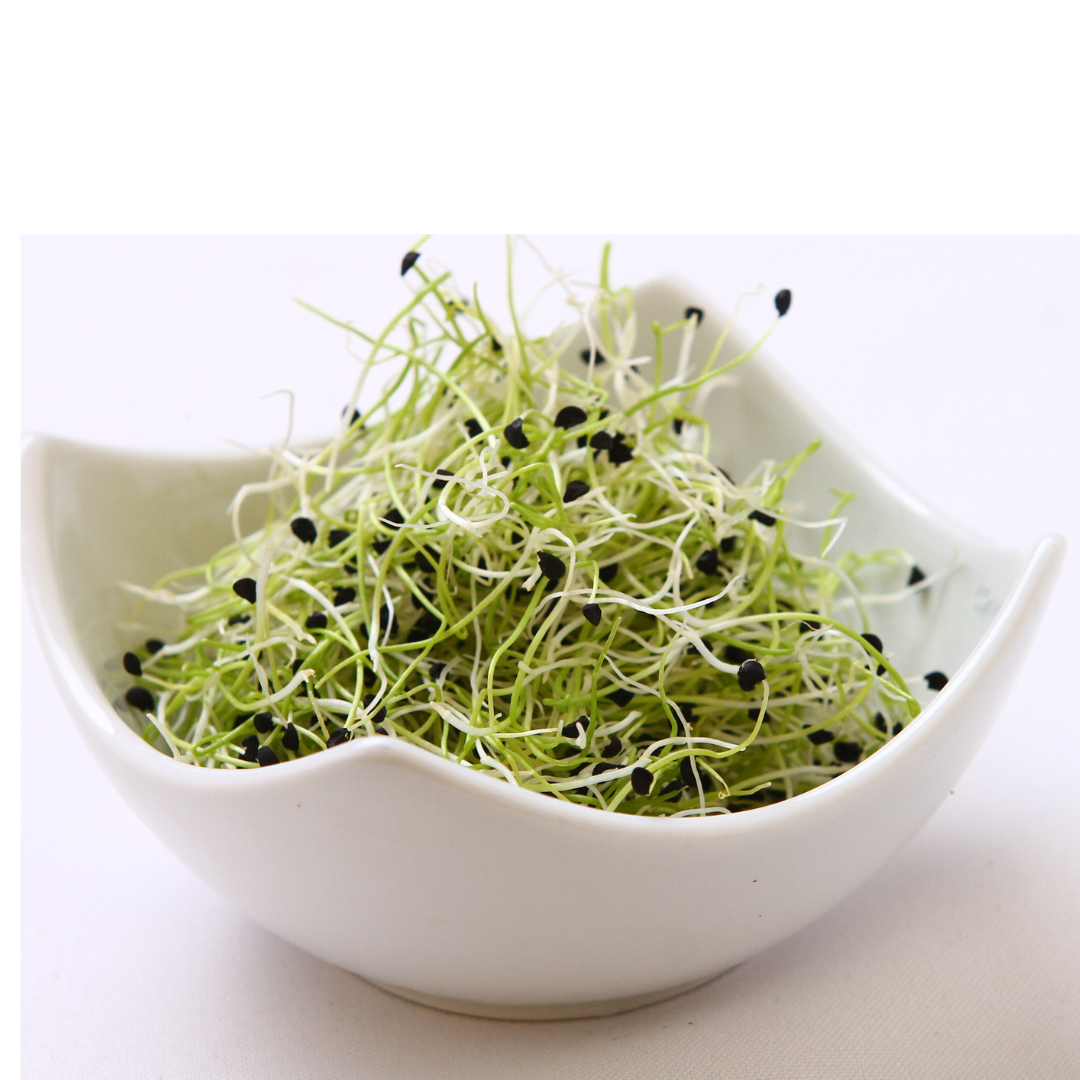
Grow your own Broccoli Sprouts - Broccoli Sprouts have been shown in studies to clean and detoxify the liver. If you have access to a whole foods or other natural food store that sells fresh broccoli sprouts, these are a great addition to your diet to help facilitate the cleansing of the liver. If you want to save money, they are also very easy to grow. I grow my own broccoli sprouts from home every week. You can purchase broccoli sprouting kits on Amazon and there are plenty of "how to videos" on YouTube instructing you on how to grow your own broccoli sprouts. I grow my own every 5 days from home!!
Do your liver a favor and give it a "Coffee Enema" -If you want to get rid of mold toxins, have better digestion, get back your energy and a healthier liver, this is the best procedure you can invest your time in. This is by far a superior process for cleaning up the filtering processes of the body.
Benefits of a coffee enema:
Enhances the liver enzyme,glutathione, which removes many toxins, including toxic mold from the blood
Dilutes and increases bile flow (Which is needed to transport mold toxins from the body)
Coffee enemas also help eliminate bacteria’s and candida in the colon.
Reduces inflammation of the gut caused by Candida, poor diet and mold exposure
Coffee enemas are used as part of the Gerson Therapy cancer cure protocols. (which in an of itself is amazing to know).
Warnings: You should always seek the advice of your physician before taking coffee enemas. Coffee enemas are not for everyone, but many people have had good results. If you have issues with low potassium, or electrolytes please contact your doctor before doing them
To find out who can and who cannot use coffee enemas. Make sure you have plenty of electrolytes and nutrition right before you do an enema. (coconut water, fresh juicing, himalayan salt in fresh filtered water, proteins, leafy greens also). Another contraindication reported is for people with heart or kidney ailments, as enemas can cause an electrolytic imbalance. BUY THE GERSON THERAPY BOOK HERE
HERE's what you'll need Non-Toxic Stainless Steel Enema Kit
Why stainless and not rubber? First off, many of the rubber or plastic enema kits are completely toxic in and of themselves. If you have been exposed to mold, most-likely you will have developed MCS or (Multiple Chemical Sensitivities). The rubber or plastic ones have such an awful odor that it could put you in a tail spin with MCS. Check online for good quality kits that are safe.
Organic Enema Coffee(Do not use standard drinking coffee) Specially formulated enema coffee is high in cafestol and palmitic acid which is needed to open the liver bile ducts. It is a very “clean” organic air roasted coffee and is not the same quality as store purchased coffees.
Most enema coffees are tested for mold or fungus They look to buy and sell specialty grade coffee. Mold or fungus damage on green coffee beans is considered a category 1 defect that would prevent it from being considered specialty grade in use for enemas. Currently there has been a widespread growth of fungus found on lesser grade coffee beans. You can buy specially formulated organic enema coffees HERE Good brands are (Cafe Mam [the only coffee recommended in Gerson therapy book], PureLife, Core-Vital, Aussie Health, Premium Enema)
I hope you find this article easy to follow and I encourage you to detox your liver better as you move through this mold journey in your life.
Posted by: Jennifer Cannon AT 01:01 pm
| Permalink
| Email
Before you start popping a bunch of supplements, antifungals, biofilm busters or antimicrobials you absolutely MUST OPEN UP YOUR DETOX PATHWAYS
Opening up the Detox Pathways is your "very first step" to begin your detox process. Opening up these detoxification pathways in the body is REQUIRED in order to let the junk and Mycotoxins out of your body. Detox pathways are like doorways that lead "out" and "away" from your body. Our bodies were designed to have many "doorways that lead out". After going through this the hard way myself, I found that it's best to "OPEN PATHWAYS" for your first entire month out of mold. If you try to put things in your body to bind toxins or kill pathogens you are going to be "ONE SORRY HUMAN BEING". The die-off without opening pathways is so severe it can put you in the hospital and make you feel like you are on the brink of death. Taking the extra first month to open up these detoxification pathways will not only make you feel better but it will speed up your recovery from a mold exposure.
HOW?: Rotate a different pathway each day.
Here is an example:
Monday - Armpit mask
Tuesday - 20 min Epsom foot soak
Wednesday - Dry Brush before showering
Thursday - 2-3 minutes in Sauna (work your way up)
Friday - 20 min Epsom Salt bath
Saturday - Bentonite Clay body mask
Sunday - Epsom Salt bath
Here are the doorways that your body has:
Skin/Pores
Ways to open up skin/pore pathways
Eliminate "Anti-Perspirant" deodorant use: Check your deodorant for the words "anti-perspirant". If these words appear anywhere on the packaging that means they use Aluminum in the ingredients. Aluminum is toxic to the brain and clogs up your armpit pathways. The armpits are one of the biggest places that your body gets rid of toxins and biotoxins. If you have them blocked...you will remain toxic.
Epsom Salt baths. 1 cup of Epsom Salts for a full bath. Soak for 20 minutes per day. 6 months. You can also add 5-10 drops of essential oils to these epsom salt baths.
Epsom Salt Foot Soaks - Soak feet in Epsom Salts for up to 20 minutes per day. You will feel a detox feeling after. The bottom of the feet is a place where toxins can be excreted.
Armpit Binder Masks - Make a paste using any binder by mixing it with water. My favorite is Bentonite Clay or Charcoal. Place the paste under your armpit and let it dry. Let it absorb toxins through your armpits for up to 30 minutes then get in the shower and rinse.
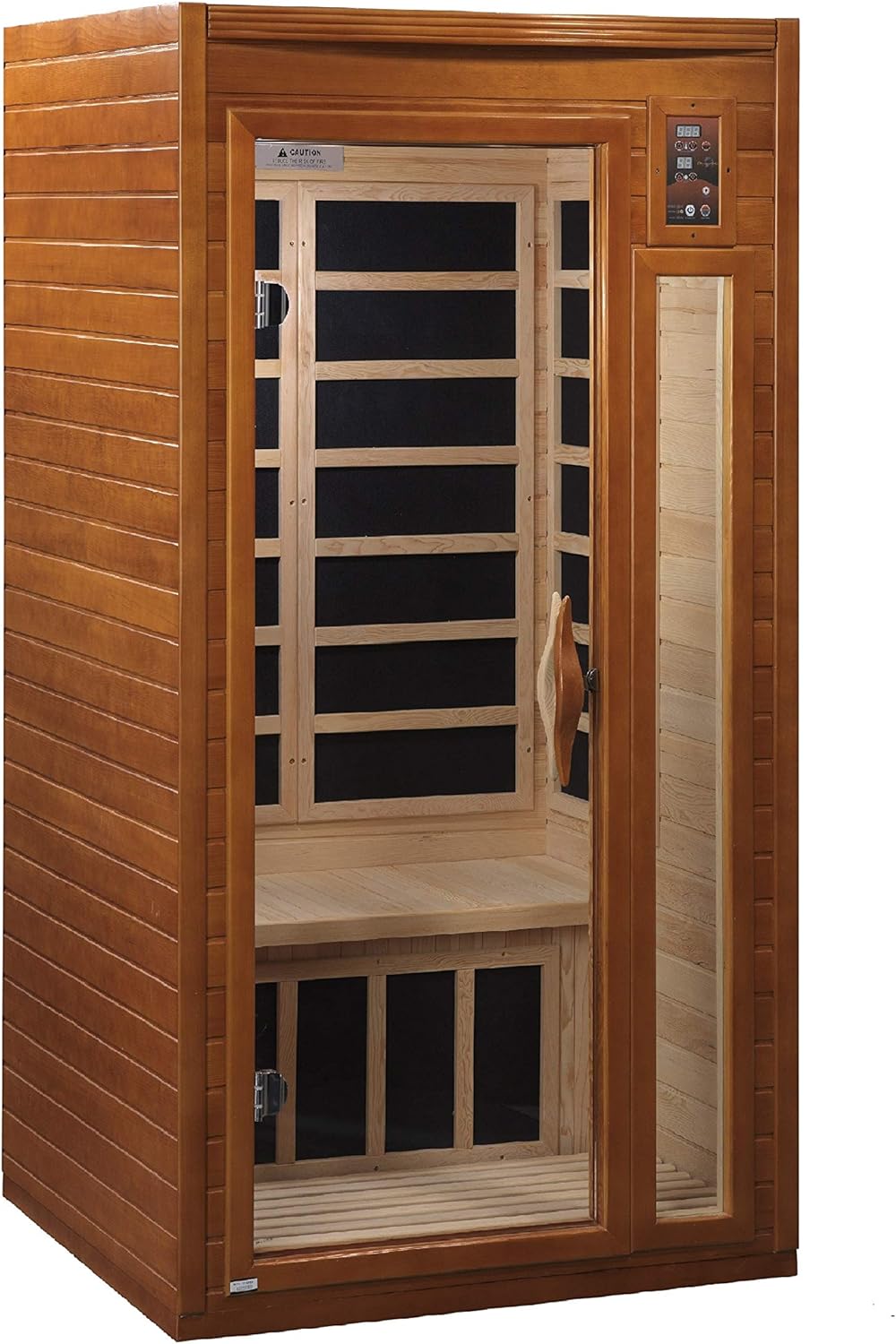
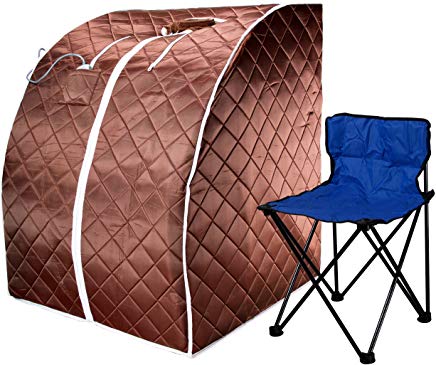
Saunas - Invest in a home sauna that you can use daily and weekly. It can be quite expensive trying to book appointments to go to a place that has sauna packages. Also another reason to buy your own is that you will realize that you will want to keep up sauna treatments the rest of your life because it will help you avoid "ever becoming toxic again". It is a wise choice to purchase one of your own so that you can take control of your future health.
Dry Sauna - *not as effective as infrared
Infrared Sauna - *more effective than dry sauna
Infrared saunas are an effective tool for natural healing and detoxification. Infrared light safely penetrates human tissue which pulls out mold toxins, chemical toxins and biotoxins. Below are my "picks" for home saunas on "any" budget. From smaller more portable options that are cheaper to more permanent options that can last you a lifetime.
Ultra low EMF
Far Infrared
$1800 - $2000
LOW EMF
FAR Infrared
2 person
$1300 - $1500
Lowest EMF
for a portable Sauna
Infrared
One Person
$550
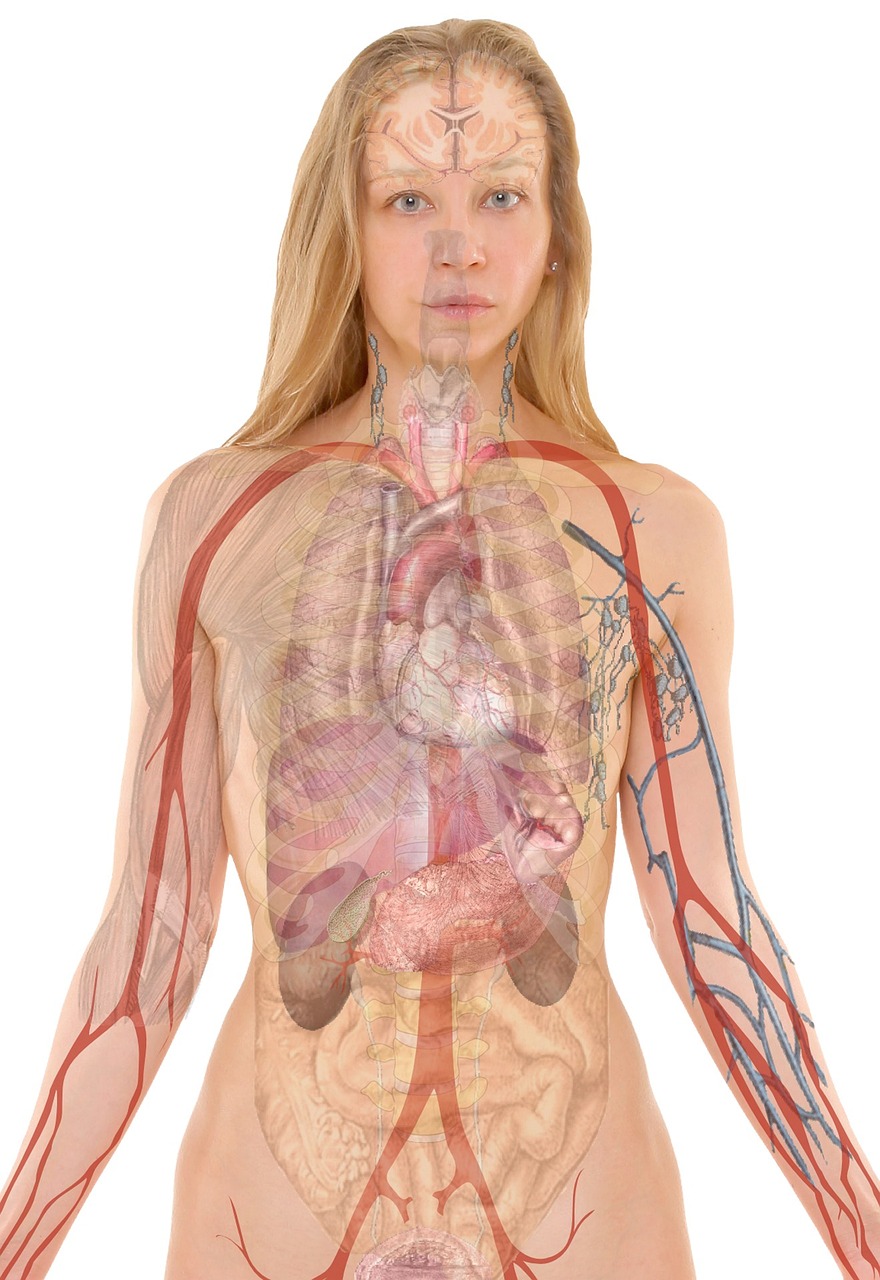
Liver The liver second to the skin is the most important part of detoxing pathways when you have been exposed to mold and mycotoxins. Here are many ways to support and keep those detox pathways open on a daily basis.
Keep the Liver "door" open with Coffee Enemas: If you want to get rid of mold toxins, have better digestion, get back your energy and a healthier gallbladder and liver, this is the best procedure you can invest your time in. This is by far a superior process for cleaning up the filtering processes of the body. The biggest benefits of a coffee enema are:
Enhances the liver enzyme,glutathione, which removes many toxins, including toxic mold from the blood
Dilutes and increases bile flow
Coffee enemas also help eliminate bacteria’s and candida in the colon.
Reduces inflammation of the gut caused by Candida, poor diet and mold exposure
Coffee enemas are used as part of the Gerson Therapy cancer cure protocols. (which in an of itself is amazing to know).
Warnings: You should always seek the advice of your physician before taking coffee enemas. Coffee enemas are not for everyone, but many people have had good results.
To find out who can and who cannot use coffee enemas. Make sure you have plenty of electrolytes and nutrition right before you do an enema. (coconut water, fresh juicing, himalayan salt in fresh filtered water, proteins, leafy greens also). Another contraindication reported is for people with heart or kidney ailments, as enemas can cause an electrolytic imbalance. BUY THE GERSON THERAPY BOOK HERE
HERE's what you'll need 1. Non-Toxic Stainless Steel Enema Kit
Why stainless and not rubber? First off, many of the rubber or plastic enema kits are completely toxic in and of themselves. If you have been exposed to mold, most-likely you will have developed MCS or (Multiple Chemical Sensitivities). The rubber or plastic ones have such an awful odor that it could put you in a tail spin with MCS.
2. Organic Enema Coffee(Do not use standard drinking coffee) Specially formulated enema coffee is high in cafestol and palmitic acid which is needed to open the liver bile ducts. It is a very “clean” organic air roasted coffee and is not the same quality as store purchased coffees.
Most enema coffees are tested for mold or fungus They look to buy and sell specialty grade coffee. Mold or fungus damage on green coffee beans is considered a category 1 defect that would prevent it from being considered specialty grade in use for enemas. Currently there has been a widespread growth of fungus found on lesser grade coffee beans. You can buy specially formulated organic enema coffees HERE Good brands are (Cafe Mam [the only coffee recommended in Gerson therapy book], PureLife, Core-Vital, Aussie Health, Premium Enema)
Start www.PhazeMoldDiet.com to clean up your liver and colon with a mold diet for 12 months
Here are also some very important vitamins and nutrients that specifically help the liver detox biotoxins: (These are all approved for the mold detox diet above.
Milk Thistle: One of the best herbs you can get for detoxing that liver and opening up those pathways from the liver is to take "Milk Thistle". As I have mentioned before I prefer the NOW brands in my recovery so I use the Silymarin which is actually 2 times the Milk Thistle and has added artichoke and dandelion root which are also great liver detoxifiers. You can buy it HERE
(CAUTION for Pyrrolurics and the use of Milk Thistle): Most often Milk Thistle is a good herb for detoxing the liver, however if you are positive for pyroluria more than likely you are also copper toxic. Milk Thistle has high concentrations of copper which can make Pyroluria symptoms worse. So if you are pyroluric DO NOT use Milk Thistle to cleanse the liver."
Broccoli Sprouts - Broccoli Sprouts have been shown in studies to clean and detoxify the liver. If you have access to a whole foods or other natural food store that sells fresh broccoli sprouts, these are a great addition to your diet to help facilitate the cleansing of the liver. If you want to save money, they are also very easy to grow. I grow my own broccoli sprouts from home every week. You can purchase broccolit sprouting kits on Amazon and there are plenty of "how to videos" on YouTube instructing you on how to grow your own broccoli sprouts.
Dandelions - Using all of the dandelion to make teas, leaves for salads or you can supplement with dandelion root or drink lots of dandelion tea HERE
Calcium D Glucarate - Is an excellent assistant in the detoxification pathways for the liver.
Raw Juicing: The liver needs living enzymes, vitamin C, natural antibiotic substances, anti-parasitic, anti-fungal and anti-cancer phyto-nutrients. Raw juicing is another way to gain the benefits from these foods. PhazeMoldDiet.com has great juicing recipes that are safe for a mold diet.
Vitamin K– green leafy vegetables and alfalfa sprouts.
Arginine – this helps the liver to detoxify excessive ammonia. Arginine is found in walnuts and seeds.
Manganese - this helps the liver to detoxify excessive ammonia from the liver.
Antioxidants– found in fresh raw juices such as carrot, celery, dandelion, (green) apple and green drinks from chorella and spirulina, and fresh citrus juice from lemons and limes. Try this Mold Detox Juicing Recipe
Selenium – sources of the antioxidant selenium are kelp, garlic and onions.
Methionine– is essential for detoxification. Is found in eggs, fish, garlic, onions, seeds and meat.
Essential fatty acids– Seafood, cod liver oil, and fish oil. Seafood needs to always be fresh such as sardines, salmon, mackerel, tuna, trout, mullet, calamari, herring, blue eye cod. Fresh avocado, fresh organic raw nuts like almonds, walnuts and pecans and seeds, green vegetables such as spinach, green beans, eggplant, cold pressed fresh vegetable and seed oils, freshly ground seeds, especially flax seeds (linseed), evening primrose oil, black-currant seed oil, star flower oil. Essential fatty acids are required for healthy membranes in every cell of the body and plentiful amounts are required for healthy liver function. This is why strict low-fat diets are not beneficial for general health, weight control or liver detoxing function.
Natural sulphur compounds – Found in eggs (pastured eggs only), garlic, onions, leeks, shallots and cruciferous vegetables such as broccoli, cauliflower, cabbage and Brussels sprouts.
After a month of "opening detox pathways" you might be able to start a good liver cleanse. Just advise your doctor first before you begin any kind of a cleansing kit. Have your doc check liver enzymes and liver function before beginning anything like this http://www.globalhealingcenter.com/liver-cleanse-kit.html
Kidneys
Drink Stinging nettle TEA (Urtica dioica) Stinging nettle is a perennial plant that has long been used in traditional herbal medicine. Stinging nettle leaf contain compounds that can help to reduce inflammation. It’s also high in antioxidants, which help to protect the body and organs from oxidative stress from mycotoxin exposure.
Drink Hydrangea TEA (Hydrangea paniculate)
Hydrangea is a gorgeous flowering shrub, well-known for its lavender, pink, blue, and white flowers. A recent animal study found that extracts of Hydrangea paniculate given for three days offered a protective effect against kidney damage. This is likely due to the antioxidant capabilities of the plant.
Half your body weight per day in filtered or kangen water: If you weight 200lbs then drink 100oz.
Warm Water in the morning with fresh squeezed Organic Lemon juice
Dandelion tea
Marshmallow root
Nettle tea
Parsley
Red clover
Ginger
Turmeric
Watermelon
Pumpkin seeds
Spirulina
Blueberries
Asparagus
Baking soda - 1/2 teaspoon in 4 oz of water in the evenings helps clean out kidneys.
Lymphatic System/Lymphnodes
Daily rebounding - This is the rebounding trampoline that I bought and still use every single day. You can buy it HERE and have it delivered to your house. Also here is a great video on YouTube on the subject of rebounding as it applies to opening up the lymphatic system and helps you detox better. https://www.youtube.com/watch?v=khCtpHj5hjw
Dry Brushing - This is the dry brush that I purchased and use every single day "Before" I take a shower. You can buy it HERE and have it delivered to your house like I did. If you are not sure how to dry brush here is an excellent video on how to dry brush your lymphatic system each day before you shower: https://www.youtube.com/watch?v=0QpQZyze3Yk
Spleen Traditional Chinese medicine pays extra special attention to the Spleen and rightly so. The spleen is actually part of the lymphatic system and it's key function is to renew our cells and eliminating toxins from the body. In a normally healthy body the spleen will actually repair itself, however, when toxic molds enter the body and put off dangerous mycotoxin the spleen can become "enlarged" and toxins will be trapped. This is quite dangerous because our spleens clean out blood, and make red blood cells. Cleansing out your spleen is an excellent way to support spleen health and functioning and bring your body back to homeostasis (the way it was before a toxic mold exposure) Here are some great ways to open up the detox pathways of the spleen:
Eat the "PhazeMoldDiet" - (Become a member of the diet plan HERE) This is most effective way to keep the spleens detox pathways open. The Spleen responds well to "warm" foods like: Warm detox soups, carrots, sweet potato, warm teas and approved mold detox fruits. Cranberry (not store bought cranberry but juiced cranberries are extremely detoxing to the spleen) Lakewood cranberry juice is the closest version to fresh pressed cranberry there is on the market.
Herbs for the Spleen
Echinacea In Traditional Chinese medicine connects echinacea to the spleen.
You can drink Echinacea Tea Which Can be purchased HERE
*always remember to avoid "tea bags" as they contain added toxins that your body will need to detoxify from. You can read about toxins in tea bags here in my article.
Or you can buy Echinacea in a capsule form which is moreconvenient which can be
purcased HERE
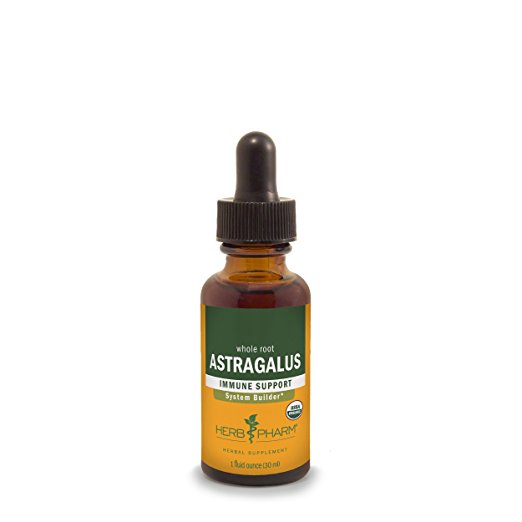
Astragalus has also been used in Chinese Medicine to support the spleen.
or you can take astragalus in a tincture form HERE
You can either make a tea out of the raw chopped rganic Astragalus by purchasing it HERE
Wild indigo root is another herb that encourages lymphatic flow and cleanses the lymph of damaging microbes, which will ultimately aids the spleen. These herbs often come in pill form or, if purchased raw, can be made into teas and tinctures. As with any medicine, take care to always follow the recommended dosages—even herbal remedies can be dangerous if taken in excess.
Gallbladder The gallbladder is especially on the "attack" with mold and mycotoxins...just ask me :( I've had gallstones now and many attacks even on a low fat diet. It's the mycotoxins unfortunately wreaking havoc on your system.
One good way to keep the gallbladder detoxed is to drink a flush of fresh organic juice every other day with:
Beets
Carrots
One apple
Lemon/Lime
Herbs that aid digestion and stimulate bile flow are:
Milk Thistle (aka St Mary's thistle) BUY HERE Dandelion, Globe artichoke, Celandine and Turmeric.
*See also coffee enemas above
Posted by: Jennifer Cannon AT 11:58 am
| Permalink
| Email
Is mold making you sick? Put the effects of Toxic Mold behind you!!
Do you think you might have mold in your home, place of business or school? Are you or someone you love suffering from an unknown illness that doctors can't diagnose? Is mold making you sick? Go to our Step by Step and start Surviving Toxic Mold.


 A conflict of interest in mold testing and mold remediation occurs when the same company provides both mold testing and inspection as well as remediation services, or provides a specific referral to either or. This potentially leads to biased results and unethical practices. Here’s why this is problematic:




 Exposure to toxic molds in an indoor environment can potentially cause ear infections. Mold spores can enter the ear canal and cause irritation or infection, leading to symptoms like pain, itching, and discharge

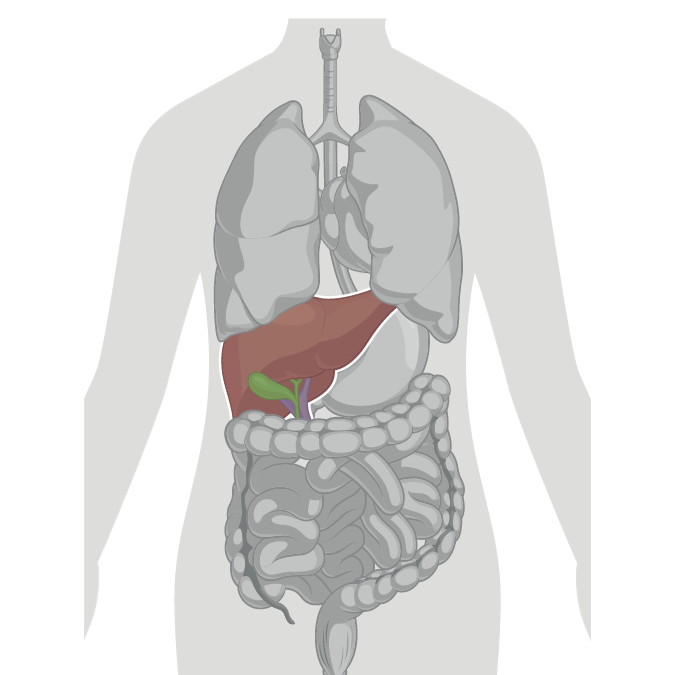

 Liver
Liver Keep the Liver "door" open with Coffee Enemas: If you want to get rid of mold toxins, have better digestion, get back your energy and a healthier gallbladder and liver, this is the best procedure you can invest your time in. This is by far a superior process for cleaning up the filtering processes of the body. The biggest benefits of a coffee enema are:
 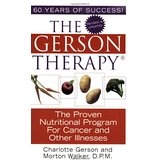 To find out who can and who cannot use coffee enemas. Make sure you have plenty of electrolytes and nutrition right before you do an enema. (coconut water, fresh juicing, himalayan salt in fresh filtered water, proteins, leafy greens also). Another contraindication reported is for people with heart or kidney ailments, as enemas can cause an electrolytic imbalance. BUY THE GERSON THERAPY BOOK HERE
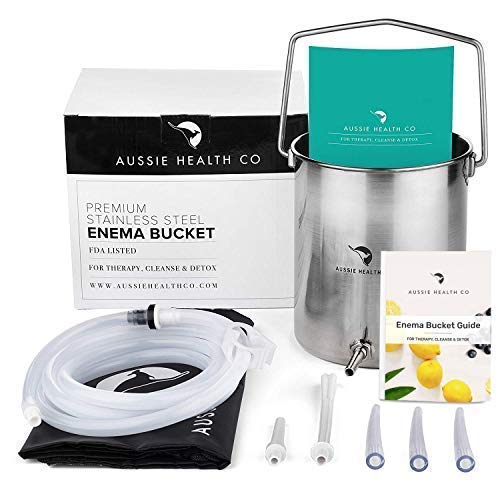 1. Non-Toxic Stainless Steel Enema Kit
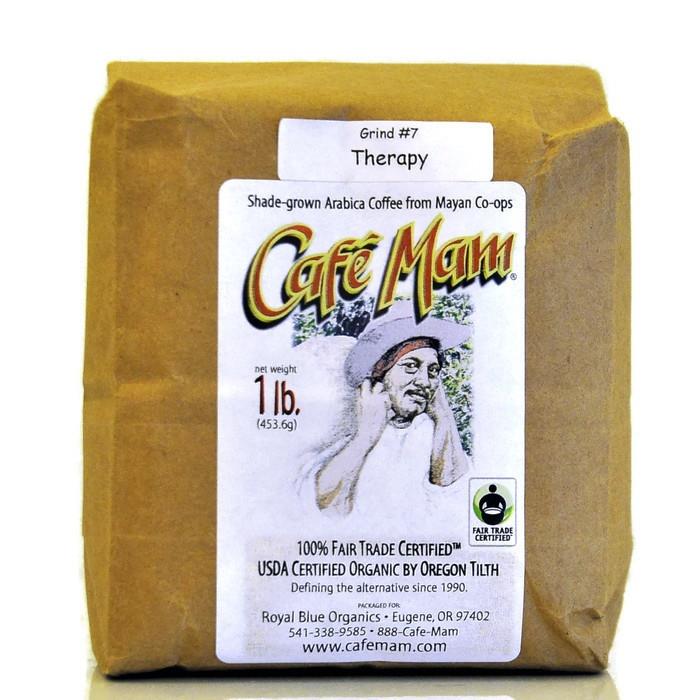 2. Organic Enema Coffee (Do not use standard drinking coffee) Specially formulated enema coffee is high in cafestol and palmitic acid which is needed to open the liver bile ducts. It is a very “clean” organic air roasted coffee and is not the same quality as store purchased coffees.
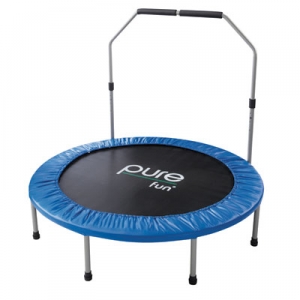 This is the rebounding trampoline that I bought and still use every single day. You can buy it HERE and have it delivered to your house. Also here is a great video on YouTube on the subject of rebounding as it applies to opening up the lymphatic system and helps you detox better. https://www.youtube.com/watch?v=khCtpHj5hjw
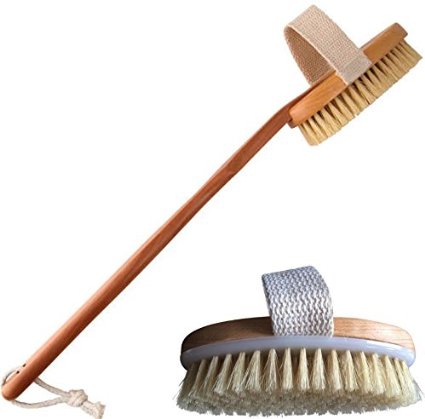 Dry Brushing - This is the dry brush that I purchased and use every single day "Before" I take a shower. You can buy it HERE and have it delivered to your house like I did. If you are not sure how to dry brush here is an excellent video on how to dry brush your lymphatic system each day before you shower: https://www.youtube.com/watch?v=0QpQZyze3Yk
 You can drink Echinacea Tea Which Can be purchased HERE
 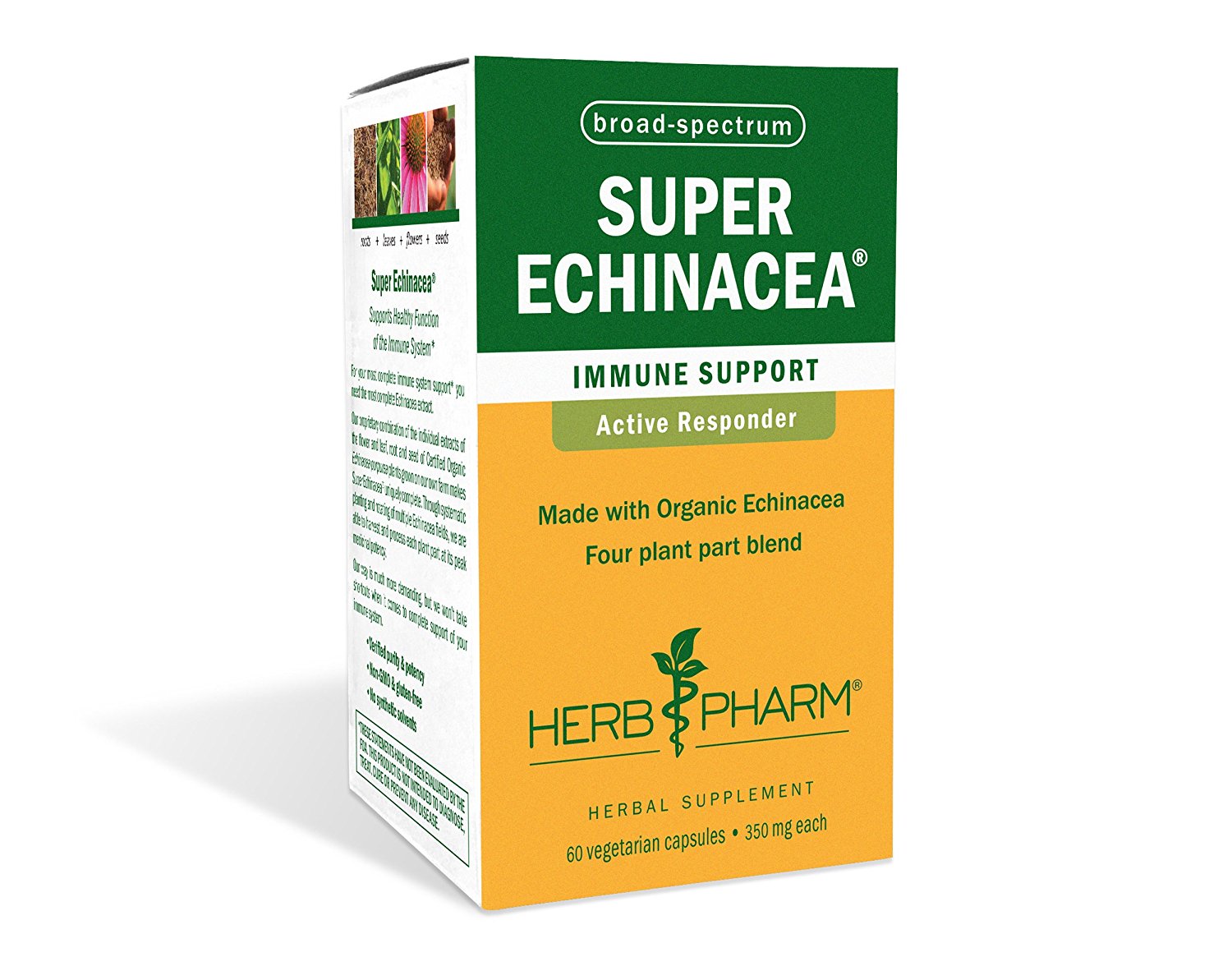 Or you can buy Echinacea in a capsule form which is moreconvenient which can be